
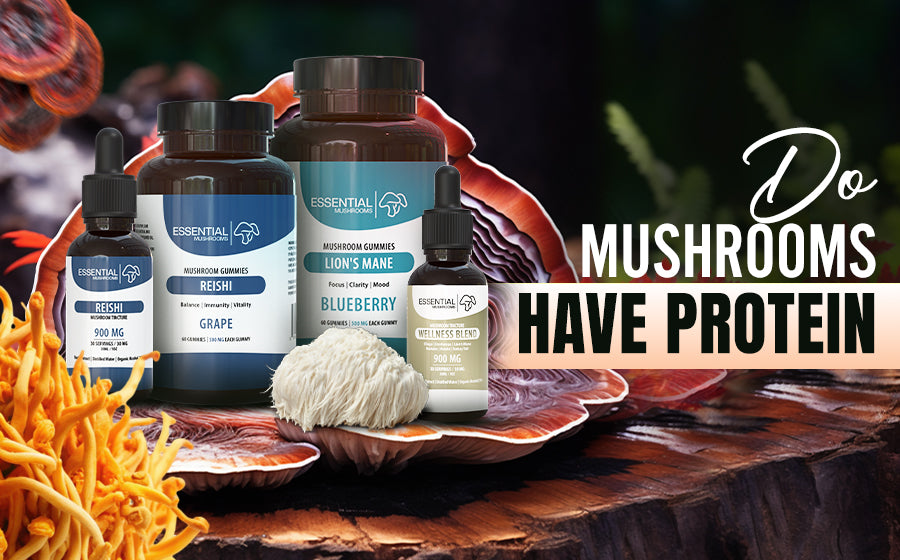
Confused about functional mushrooms? You’re not alone. These mushrooms are getting popular for their nutrients and unique properties. Many people also want to know one thing first — Do mushrooms have protein?
Let’s make it simple and easy to understand.
What Are Functional Mushrooms?
Functional mushrooms are not the regular button mushrooms you see in your grocery basket. These are special varieties known for their natural compounds that may support wellness, focus, and immunity.
Some popular functional mushrooms include:
- Reishi
- Lion’s Mane
- Cordyceps
- Chaga
- Turkey Tail
They are often used in powders, teas, capsules, and snacks — offering an easy way to enjoy their potential health benefits.
Why Functional Mushrooms?
These mushrooms are loved for their clean nutritional profile. They are low in calories and fat but packed with good stuff.
People use them to support everyday wellness, boost their routines, and feel more balanced.
Benefits of Adding Mushrooms to Your Routine
Adding mushrooms to your meals is an easy habit with several perks.
Some simple reasons to include them:
- Plant-based protein source
- Low-calorie option
- Naturally rich in vitamins and minerals
- Easy to cook and blend
- Fits into most eating styles
If you want to learn more about the role mushrooms play in wellness, check out our guide on mushroom benefits for men and women.
Functional Mushrooms vs. Other Protein Sources
Mushrooms give less protein than animal products but more than some vegetables.
For example:
- 1 cup of mushrooms = 2–3 g protein
- 1 cup of broccoli = about 2.5 g protein
- 1 large egg = about 6 g protein
So, mushrooms may not replace all protein sources, but they can support your daily target.
Do Mushrooms Have Protein?
Yes, mushrooms do have protein. It may not be as much as meat or lentils, but they provide a solid plant-based source.
Here’s a quick idea:
- One cup of sliced mushrooms usually gives around 2–3 grams of protein.
- Dried mushroom powders often contain higher protein per serving.
That means they can support your daily intake in a clean and light way.
Nutritional Value of Mushrooms
Mushrooms are nutrient-dense. Along with protein, they bring other key elements to your plate.
A typical serving may include:
- B vitamins
- Potassium
- Fiber
- Selenium
- Antioxidants
This makes them a nice, simple way to add more nutrients without feeling heavy.
Types of Functional Mushrooms and Their Protein Content
Not all mushrooms are the same. Some give more protein than others.
A few examples:
- Chaga: Often used in powder or tea form, with a modest protein content.
- Cordyceps: Known for its energy-supporting properties and light protein boost.
- Reishi: Commonly found in extracts and blends, with mild protein levels.
- Lion’s Mane: Famous for its taste and nutrient balance.
- Turkey Tail: Usually used for teas and supplements.
When used together, these mushrooms can give a gentle protein addition to your daily intake.
How Mushrooms Add Protein to Your Diet
Mushrooms fit well in many diets. You can:
- Add them to soups or stews
- Blend powder into smoothies
- Use them in salads or grain bowls
- Mix them into sauces or pasta
This helps you sneak in plant-based protein without much effort.
Benefits of Adding Mushrooms to Your Routine
Adding mushrooms to your meals is an easy habit with several perks.
Some simple reasons to include them:
- Plant-based protein source
- Low-calorie option
- Naturally rich in vitamins and minerals
- Easy to cook and blend
- Fits into most eating styles
Functional Mushrooms vs. Other Protein Sources
Mushrooms give less protein than animal products but more than some vegetables.
For example:
- 1 cup of mushrooms = 2–3 g protein
- 1 cup of broccoli = about 2.5 g protein
- 1 large egg = about 6 g protein
So, mushrooms may not replace all protein sources, but they can support your daily target.
Simple Ways to Use Functional Mushroom Powder
If cooking is not your thing, mushroom powder is an easy option.
You can try:
- Stirring it into morning coffee or matcha
- Blending it into a smoothie
- Mixing it into soups
- Adding it to energy balls
This gives you a simple way to enjoy the protein and nutrients without making big changes.
How Much Protein Do You Need in a Day?
Daily protein needs vary from person to person. It depends on age, weight, and activity level.
As a basic idea:
- Most people aim for 45–60 grams of protein a day.
- Mushrooms can be a small but steady part of this.
- They work best as a complement to other protein foods.
This makes them a good add-on to balanced meals.
Quick Tips for Buying Mushrooms
- Pick fresh mushrooms with smooth, firm caps
- Check for no slimy spots
- Store in a cool, dry place
- For powders, choose clean labels and simple ingredients
Keeping it simple ensures better flavor and nutrition.
Final Thoughts
Mushrooms may not be a powerhouse of protein like beans or eggs, but they do provide a light, natural source. Adding them to your diet is easy and smart. Plus, functional mushrooms bring extra nutrients that can support your overall routine.For quality mushroom products, you can explore Essential Mushrooms.
Frequently Asked Questions
Mushrooms give a light amount of plant-based protein. They’re not a full replacement for major protein sources, but they make a great addition to a vegetarian diet.
Mushrooms alone won’t build muscle, but they can support your daily protein intake when paired with other high-protein foods like beans, eggs, or tofu.
Yes, the protein stays about the same after cooking. The only difference is the weight, as mushrooms lose water when heated, making the protein more concentrated per gram.
Oyster and shiitake mushrooms usually have a bit more protein compared to other types. But the difference is not huge, so any mushroom can work well.
Good-quality mushroom powder often contains a higher protein amount per serving since it’s more concentrated. It’s an easy way to add nutrients without cooking.
Yes, most people can enjoy mushrooms daily in balanced portions. They’re low in calories and pair well with many meals.
Mushrooms can support a child’s protein intake, but they shouldn’t be the only source. Pair them with other protein-rich foods for better balance.
Check your daily protein goals. Mushrooms alone may not meet your full requirement, but they help boost the total when combined with other foods.
Dried mushrooms have less water, so their protein content is more concentrated per gram. Fresh and dried both work, depending on how you like to use them.
Not fully. Mushrooms have less protein than meat, but they can be part of a smart mix of plant-based proteins for those who want to reduce or avoid meat.
- View: 86
- Categories: News
