
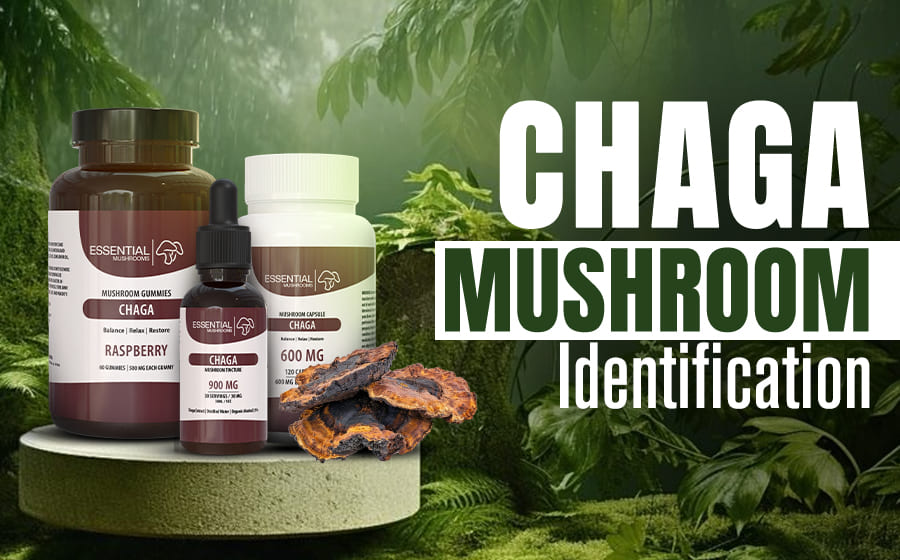
Imagine, while travelling in the wild nature, and suddenly you come across a mushroom that’s been used for years due to its health benefits. This unique mushroom is also known as Inonotus obliquus, and mainly grows on brich trees in cold climates. As it is becoming more popular nowadays, there are many lookalike mushrooms in the market, where you can be trapped. So, how to identify the chaga mushroom originally? In this guide, we will help you to spot chaga in the wild nature, as well as the common lookalikes and how to avoid them.
What is Chaga?
Chaga (Inonotus obliquus) is not like other mushrooms which you can see in the wild forest. It is mainly found on brich trees, a type of parasitic fungus. While it doesn’t look attractive, this will compensate with various health benefits (Don't judge a book by its cover - George Eliot). It comes with antioxidants, vitamins, and minerals, making it a stronger natural supplement. What does chaga mushroom do? People consume this mushroom to reduce inflammation, strengthen the immune system, support heart health, improve digestion and even prevent cancer. One of the interesting facts about chaga is that it is adapted to survive in the cold, harsh environment where it grows, which is why it is also known as the “King of Medicinal Mushrooms”. To better understand where chaga fits among medicinal fungi, learning more about the chaga mushroom itself can be helpful. This detailed guide covers its origins, traditional uses, and why it has become one of the most valued functional mushrooms worldwide.
How to Identify Chaga
If you're out for hiking or exploring wild nature, here’s how you can spot chaga on birch trees:
Color: Chaga’s outer surface is dark, almost black, and rough, like burnt wood. They are mainly found on white birch, yellow birch, and paper birch trees. And, when you break it, you’ll find the inside is orange-brown, which is one of the main signs that it's the real chaga.
Texture: Chaga has a distinct texture that make them easy to identify. It has a black woody texture similar to burnt charcoal. Its exterior is rough, irregular in shape and crusty in appearance. When you break the part of the interior, it is solid and sponge-like, with an orange or yellow color.
Size: Chaga typically grows in irregular, cone-shaped masses. Its size can vary, with some being as small as a fist, while others can grow larger than a football. They typically range from 6 to 12 inches.
Location & Season: Chaga mushrooms are most commonly found on birch trees in cold climates, particularly in northern regions like Siberia, Canada, and parts of northern Europe and the U.S. They mainly grow in the colder months, generally between late fall and early spring. Spotting them in summer is much rarer.
What Can You Do with Wild Chaga?
If you’re lucky enough to find chaga, you may wonder how to use it. Here are some popular ways to benefit from wild chaga:
Make Chaga Extract
Chaga can be processed into an extract, which concentrates its beneficial compounds. This extract is commonly used as a supplement for immune system support.
Make Chaga Tea
One of the most common uses for chaga is to brew it into tea. Chaga tea is known for its rich flavor and potential health benefits, such as improved digestion and energy levels.
Make Chaga Soup
Chaga can also be added to soups and broths. The earthy flavor of chaga pairs well with other ingredients, creating a nourishing, health-boosting meal.
Make Skin Moisturizer
Chaga is often used in skin care products due to its antioxidant properties. You can create a homemade moisturizer by infusing chaga into oil.
After proper identification and preparation, many people are curious about what to expect from regular use. This guide explores how chaga makes you feel, including common experiences related to energy, digestion, and overall wellness.
Avoiding Lookalikes
What does a chaga mushroom look like? Chaga might have a few lookalikes, so it’s important to be cautious. Here are two common fungi that resemble Chaga:
- False Chaga (Inonotus hispidus): This fungus looks similar but is softer and doesn’t have the same bright orange interior.
- Black Knot Fungus (Apiosporina morbosa): It’s dark and rough like Chaga, but it grows on trees like plum or cherry, not birch.
Make sure you double-check the features of what you find to avoid any confusion with these lookalikes.
Find a Trusted Source for Your Chaga
If you prefer not to search for Chaga in the wild, you can buy chaga mushroom from a trusted supplier. However, not all Chaga products are the same. Make sure you choose a brand that offers Chaga that is organically grown, sustainably harvested, and carefully tested for quality. Look for products that are free from contaminants like heavy metals, pesticides, microbial contamination, and gluten. Also, avoid supplements that list ingredients like ‘mycelium on grain’ or any unnecessary fillers.
Because chaga is often grouped with other powerful mushrooms, some people wonder about its effects on the mind. This article explains is chaga a psychedelic, clearing up common misconceptions and helping readers understand what chaga does — and does not — do.
Final Thoughts
Chaga mushrooms are a valuable resource in nature, but they require careful identification to ensure you’re harvesting the real deal. By following the steps outlined in this guide, you can confidently spot chaga mushrooms in the wild. Always ensure that the environment is suitable for growth, and don’t hesitate to consult a professional if you're unsure. If you're looking to purchase quality chaga mushroom products, Essential Mushrooms offers an array of options to suit your needs.
Frequently Asked Questions
Chaga mushrooms are packed with antioxidants, vitamins, and minerals. They are known for boosting the immune system, reducing inflammation, and supporting overall health, including heart health and digestion.
Chaga mushrooms grow primarily on birch trees in cold climates. You can find them in northern regions like Siberia, Canada, and parts of the northern U.S. They thrive in colder months, typically from late fall to early spring.
Chaga mushrooms should be carefully harvested by cutting them off the birch tree using a sharp knife. It's important not to damage the tree. Harvesting from a living tree is recommended, as over-harvesting can harm the tree.
Dried Chaga should be stored in a cool, dry place in an airtight container to maintain its potency. It can last for up to two years if stored properly. If you have fresh Chaga, it should be used or dried promptly.
While Chaga can technically be eaten raw, it's typically consumed in the form of tea, powder, or extract to release its beneficial compounds. Raw Chaga is hard and difficult to digest without proper preparation.
- View: 86
- Categories: News
